Tanıtım
Modern Ethernet ağları artık basit yıldız veya ağaç topolojileri ile sınırlı değildir.
Ağ altyapısı şehirler, kampüsler, endüstriyel alanlar ve telekom omurgası boyunca genişledikçe, yüksek kullanılabilirlik, hızlı iyileşme ve hata toleransını sağlamak kritik hale gelir.
Halka dayalı Ethernet ağlarında bu gereksinimleri karşılayan en yaygın olarak benimsenen teknolojilerden biri ERPS'dir.
ERPS, uluslararası ITU-T G.8032 standardı ile tanımlanmıştır ve özellikle Ethernet halka topolojilerinde 50 ms altındaki koruma geçişini sağlamak için tasarlanmıştır.
Basitliği ve maliyet verimliliğini korurken taşıyıcı derecesinde güvenilirlik sunar ve metro ağlarında kilit bir teknoloji haline gelir.Endüstriyel Ethernet, ve hizmet sağlayıcı ortamları.
1- ERPS nedir?
ERPS (Ethernet Ring Protection Switching)Ethernet halka topolojilerinde ağ döngüsünü engelleyen ve bağlantı veya düğüm arızası durumunda hızlı trafik kurtarmasını sağlayan bir Katman 2 koruma protokolüdür.

Tipik bir Ethernet halkasında, trafik sonsuza kadar dolaşır, yayın fırtınalarına ve MAC masası istikrarsızlığına neden olur.
ERPS, normal çalışma sırasında halka içindeki bir bağlantıyı mantıksal olarak bloke ederek bu sorunu çözür ve döngüsüz bir topoloji oluşturur.
Bir arıza olduğunda, ERPS daha önce engellenen bağlantıyı hızlı bir şekilde açar ve halka etrafındaki bağlantıyı geri kazanır.
ERPS'in temel özellikleri şunlardır:
-
Katman 2'de çalışır (Ethernet seviyesi)
-
Yüzük topolojileri için tasarlanmıştır
-
Kurtarma süresi genellikle 50 milisaniyeden azdır.
-
ITU-T G tarafından standartlaştırılmıştır.8032
-
Taşıyıcı derecesi ve endüstriyel ağlarda yaygın olarak kullanılır
2. ERPS Nasıl Çalışır
2.1 Halka Mimarlığı
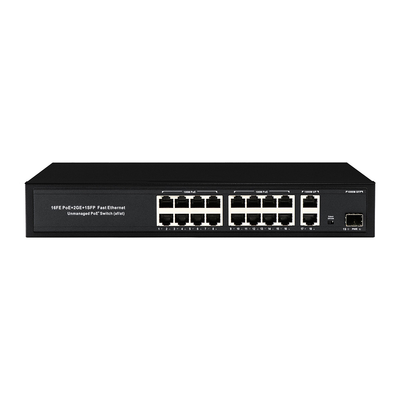
Bir ERPS halkası birden fazlaEthernet anahtarlarıBu düğmeler arasında:
Normal koşullarda, RPL kilitlenmiş, döngüleri engellemiştir.
2.2 Normal çalışma
-
Tüm anahtarlar R-APS (Ring Otomatik Koruma Değişimi) kontrol mesajlarını değiştirir.
-
Trafik halka boyunca döngüsüz bir şekilde akıyor
-
Kilitlenmiş RPL veri trafiği için aktif değildir, ancak sürekli olarak izlenir.
2.3 Arıza tespiti ve koruma anahtarı
Bağlantı hatası veya düğüm hatası olduğunda:
-
Yakın anahtarlar, bağlantı olayları veya aralıksızlık kaybı yoluyla arızayı algılarlar.
-
R-APS mesajları halka etrafında yayılır.
-
RPL hemen açılıyor.
-
Trafik alternatif yoldan yönlendiriliyor.
Bu süreç son derece hızlı gerçekleşir, tipik olarak 50 ms içinde, minimum hizmet kesintisini sağlar.
2.4 Başarısızlık Geri Döndürme
Başarısız bağlantı yeniden kurulduktan sonra:
-
ERPS kontrol edilen bir geri dönüş süreci gerçekleştirir
-
RPL, yapılandırmaya bağlı olarak yeniden engellenebilir (geri dönüşlü veya geri dönüşlü olmayan mod)
-
Trafik döngüleri olmadan ağ istikrarı korunur
3ERPS'in Ana Özellikleri ve Avantajları
3.1 Hızlı Yaklaşım
ERPS, geleneksel SONET/SDH koruma mekanizmalarına kıyaslanabilir, 50 ms'in altındaki kurtarma sunar ve bu sayede aşağıdaki gibi gerçek zamanlı hizmetler için uygundur:
3.2 Döngüsüz Ethernet Halkaları
Tasarım gereği, ERPS şunları sağlar:
3.3 Basit yapılandırma
MSTP veya karmaşık yönlendirme çözümleri gibi protokollerle karşılaştırıldığında, ERPS:
3.4 Taşıyıcı derecesi güvenilirliği
ERPS bir ITU-T standardı olduğundan, aşağıdakiler tarafından yaygın olarak kabul edilir:
Hizmet düzeyi anlaşmaları (SLA) ve yüksek kullanılabilirlik gereksinimlerini destekler.
3.5 Bant genişliği verimliliği
Çoklu yolları engelleyen ağaç protokollerinin aksine, ERPS sadece bir bağlantıyı engeller ve halka boyunca bant genişliği kullanımını en üst düzeye çıkarır.
4. ERPS diğer koruma mekanizmalarına karşı
ERPS vs. STP / RSTP / MSTP
-
STP tabanlı protokoller genellikle daha yavaş bir yakınlaşmaya sahiptir
-
ERPS halka topolojileri için optimize edilmişken, STP genel amaçlı
-
ERPS deterministik koruma davranışını sağlar
ERPS vs Bağlantı Toplama (LACP)
ERPS vs Katman 3 Routing Protokolleri
-
ERPS, yönlendirme karmaşıklığını azaltan Katman 2'de çalışır
-
Birçok Katman 3 çözümüne kıyasla daha hızlı hata geçiş
-
Daha düşük donanım ve yapılandırma maliyeti
5ERPS'in Ortak Uygulamalar
5.1 Metro Ethernet Ağları
ERPS, aşağıdakileri birbirine bağlayan şehir çapındaki fiber halkalarında yaygın olarak kullanılıyor:
-
Erişim düğümleri
-
Toplama anahtarları
-
Temel ağ altyapısı
5Endüstriyel Ethernet
Fabrikalar, alt istasyonlar ve otomasyon sistemleri ERPS'i aşağıdakiler için kullanır:
-
Deterministik trafik
-
Yüksek kullanılabilirlik
-
Zorlu ortamlara direnç
5.3 Kampüs ve Utilities Network
Üniversiteler, havaalanları, elektrik şebekeleri ve ulaşım sistemleri dağıtılmış siteler arasında kesintisiz iletişimi sürdürmek için ERPS'e güveniyorlar.
5.4 CCTV ve İzleme Sistemleri
ERPS, fiber kesintileri veya cihaz arızası sırasında bile büyük halka tabanlı kamera ağlarında sürekli video iletimi sağlar.
6Sınırlamalar ve Dikkatler
ERPS güçlü olsa da, en uygun olan:
Aşağıdakilerin yerine geçmek için tasarlanmamıştır:
Özellikle birden fazla halka birbirine bağlandığında yanlış yapılandırmayı önlemek için uygun planlama gerekir.
Sonuçlar
ERPS (Ethernet Ring Protection Switching) Ethernet halka ağlarında hızlı koruma geçişine ulaşmak için sağlam, standart ve verimli bir çözümdür.
ERPS, 50 ms altındaki kurtarma, döngüsüz çalışma ve taşıyıcı seviyesi güvenilirliği ile geleneksel telekom koruma mekanizmaları ile modern Ethernet tabanlı altyapı arasındaki boşluğu kapatır.
Şebekeler şehirler, endüstriler ve kritik uygulamalarda genişlemeye devam ettikçe, ERPS dayanıklı binalar için temel taş teknolojisi olmaya devam ediyor.Hizmet kesintisi olmadan arızalara dayanabilen yüksek kullanılabilirlik Ethernet halkaları.


 Mesajınız 20-3.000 karakter arasında olmalıdır!